


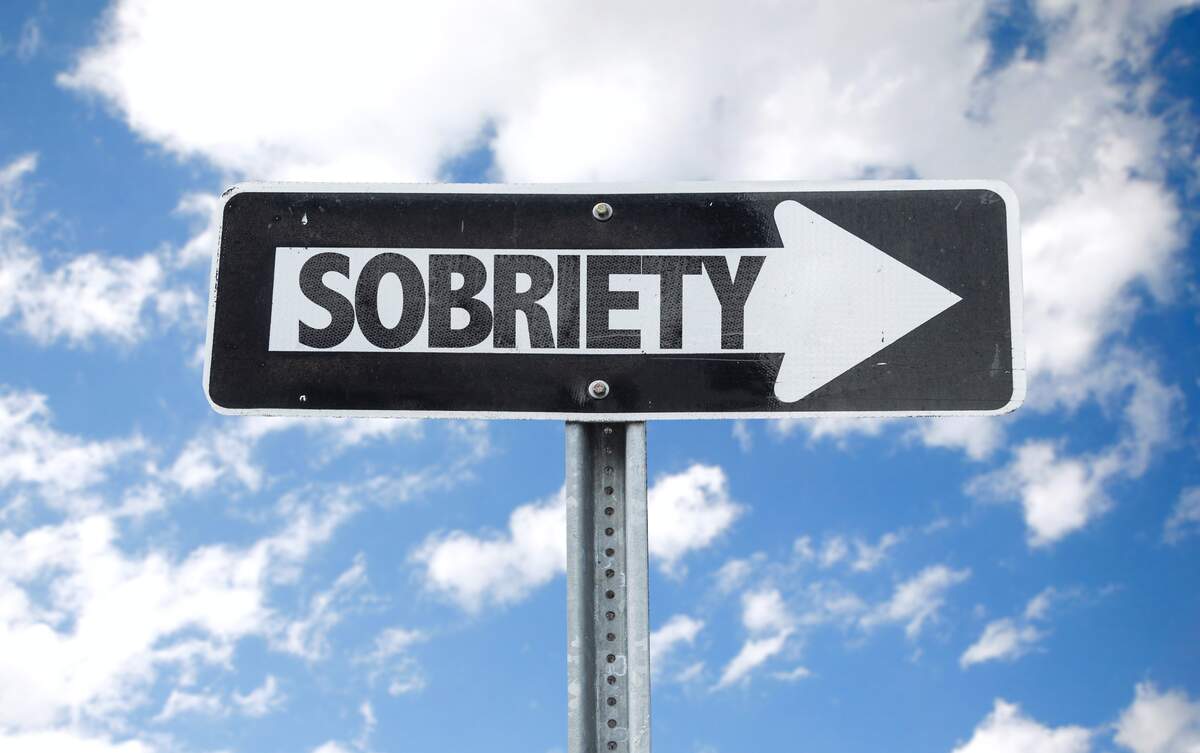
Dry January
Observed
the month of January (since 2013)
Dates
January 1st, 2024 to January 31st, 2024
January 1st, 2025 to January 31st, 2025
January 1st, 2026 to January 31st, 2026
January 1st, 2027 to January 31st, 2027
January 1st, 2028 to January 31st, 2028
Founded by
Alcohol Change UK in 2013
Tags
Drugs & Alcohol
Food & Drink
Health & Wellness
Hashtags
Sources
Dry January encourages people to take a break from alcohol for the entire month of January. The challenge is intended to help participants reflect on their drinking, reset their relationship with alcohol, and consider whether they want to make longer-term changes. January was chosen partly because it follows the Christmas period, when alcohol consumption may be higher.A study of Dry January found that the campaign aims to help people take more control of their drinking and encourage conversations about reducing alcohol consumption.
The modern campaign began in the United Kingdom in 2013, when Alcohol Change UK launched its first Dry January with 4,000 participants. The idea grew from Emily Robinson’s personal decision to give up alcohol in January 2011 while training for a half marathon. After experiencing weight loss, better sleep, and more energy, Robinson joined Alcohol Change UK in 2012, where conversations about her experience helped inspire the organized campaign. The charity’s official challenge includes tools and resources to support participants, distinguishing it from an independently arranged alcohol-free month. Learn more about the story of Dry January and the official challenge.
How to Observe Dry January
Celebrate by committing to an alcohol-free January and paying attention to how the change affects your routines, social life, and drinking habits. Use Alcohol Change UK’s Try Dry app and daily motivational emails to track your progress and find support, or invite friends to take the challenge with you. You can still meet for meals and social activities—just choose an alcohol-free drink.
If you drink heavily or may be physically dependent on alcohol, consult a medical professional before stopping suddenly, as withdrawal can be dangerous.
Exclusive Content
Enjoying Checkiday? It takes a lot of support from fans like you to run a free website. For exclusive content and other perks, please consider supporting us on Patreon. Thank you!Sponsor
This event does not currently have a sponsor. If you'd like to increase visibility for this event while gaining exposure for yourself or your brand, you can learn more here.Something Wrong or Missing?
We would love to hear from you! Please contact us using this form.Observation Notifications
Would you like to be notified before the next observation? Add this event directly to your calendar with this link. You may also sign up here to be told when other notifications are available!Also on this date…


Don't miss a beat! Subscribe to any of the following feeds for daily updates.
turned_in














 notifications