


A Whole Day for Whole Grain
Observed
the first Wednesday in April (2012 to 2015)
the last Wednesday in March (since 2016)
Dates
Founded by
Oldways on March 7th, 2012
Whole Grains Council (WGC) on March 7th, 2012
Tags
Agriculture
Food & Drink
Hashtags
Sources
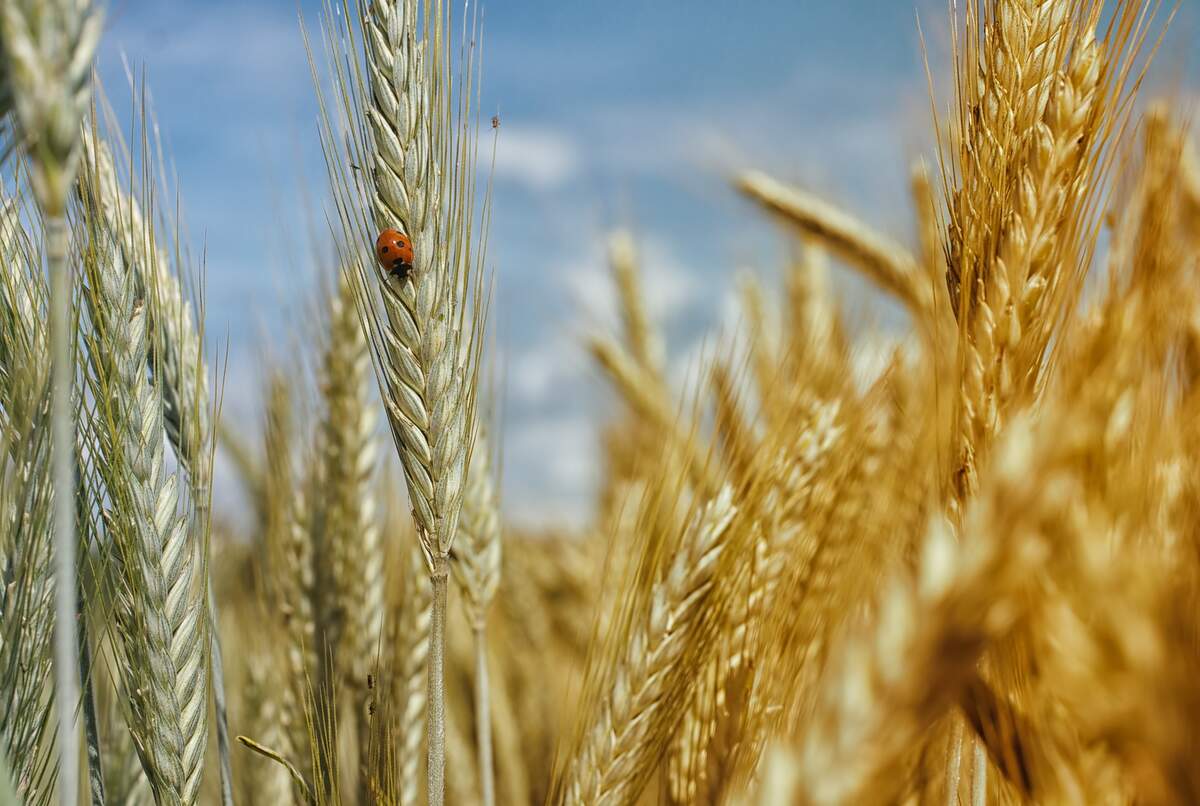
A Whole Day for Whole Grain celebrates the flavor, versatility, and benefits of whole grains. Observed on the first Wednesday in April from 2012 through 2015 and on the last Wednesday in March from 2016 onward, the day encourages people to discover more whole-grain foods and enjoy them throughout the day.
The celebration began in 2012 as National Whole Grain Sampling Day, organized by Oldways and the Whole Grains Council (WGC). Its purpose was to help people try whole grains through samples and other activities. Partners have included supermarkets, restaurants, schools, universities, workplaces, and food companies, with past events featuring tastings, cooking demonstrations, quizzes, contests, and educational materials. The WGC describes the day as a way to reduce barriers to trying whole grains and to make them more accessible and appealing.
A whole grain contains all three parts of the grain kernel—the bran, germ, and endosperm—in roughly the same proportions as the intact grain. Oats, barley, brown rice, quinoa, bulgur, millet, sorghum, and whole wheat are among the many grains that can add different flavors and textures to meals. Whole grains also feature prominently in food traditions around the world, from Mediterranean and African cuisines to Asian and Latin American dishes.
How to Observe A Whole Day for Whole Grain
Celebrate by trying a whole grain you have not eaten before, or by preparing a familiar meal with a whole-grain ingredient. Enjoy whole-grain foods at breakfast, lunch, and dinner, and consider hosting a tasting or cooking demonstration for friends, family, classmates, or coworkers.
You can also learn more with the Whole Grains Council’s A to Z guide, share a whole-grain recipe or fact, or donate whole-grain products to a local food pantry. The organizer’s celebration ideas include trying a new-to-you grain and hosting an educational event.
Exclusive Content
Enjoying Checkiday? It takes a lot of support from fans like you to run a free website. For exclusive content and other perks, please consider supporting us on Patreon. Thank you!Sponsor
This event does not currently have a sponsor. If you'd like to increase visibility for this event while gaining exposure for yourself or your brand, you can learn more here.Something Wrong or Missing?
We would love to hear from you! Please contact us using this form.Observation Notifications
Would you like to be notified before the next observation? Add this event directly to your calendar with this link. You may also sign up here to be told when other notifications are available!Also on this date…


Don't miss a beat! Subscribe to any of the following feeds for daily updates.
turned_in














 notifications