


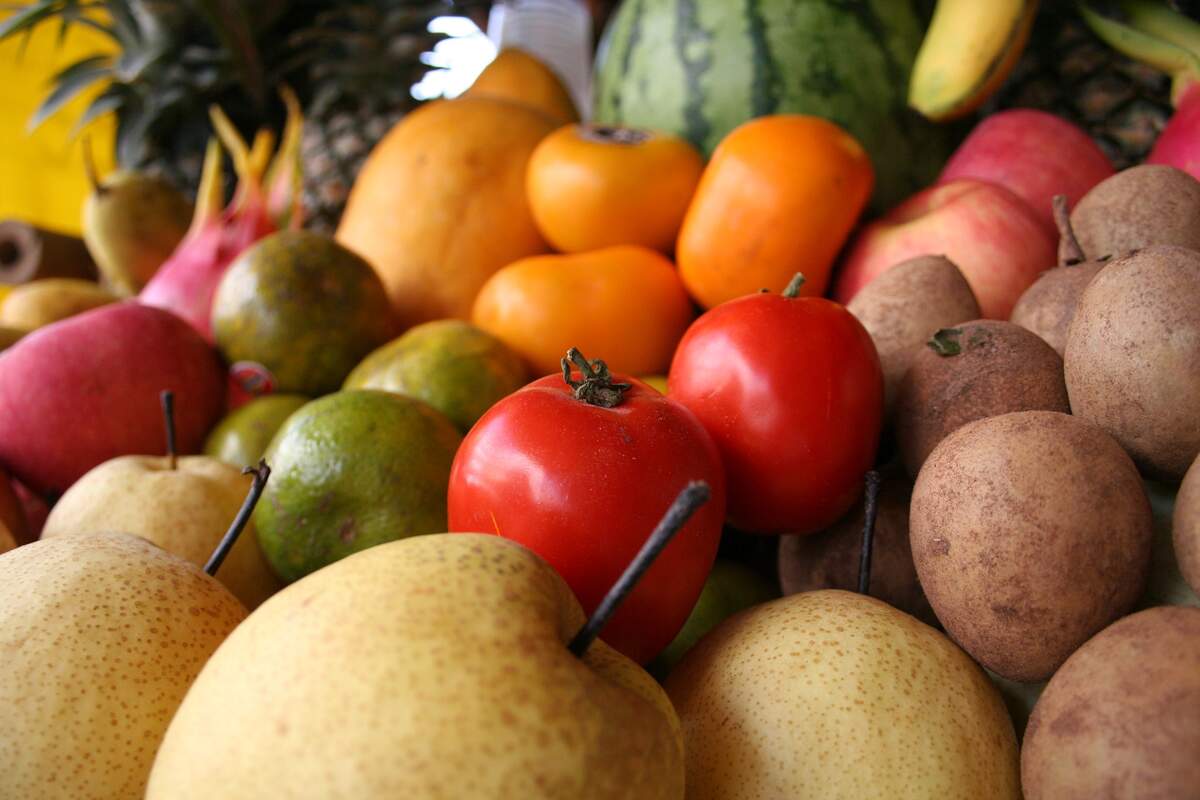
International Year of Fruits and Vegetables
Also known as
IYFV
Observed
the year 2021
Founded by
United Nations General Assembly (UNGA) on December 19th, 2019
Tags
Food & Drink
Fruits & Vegetables
Health & Wellness
Hashtags
Sources
The International Year of Fruits and Vegetables, also known as IYFV, was observed in 2021 to highlight the important role of fruits and vegetables in human nutrition, food security, health, and the achievement of the UN Sustainable Development Goals. The United Nations General Assembly designated 2021 as the International Year, with the Food and Agriculture Organization of the United Nations (FAO) serving as the lead agency.
The year promoted diversified and balanced diets, greater awareness of the nutritional benefits of fruits and vegetables, reduced food loss and waste, and the sharing of best practices for sustainable production and supply chains. Fruits and vegetables provide dietary fiber, vitamins, minerals, and beneficial phytochemicals, while their highly perishable nature makes careful handling, storage, transport, and processing important for maintaining quality and reducing waste. The FAO definition for the year included edible parts of cultivated or wild plants in their raw or minimally processed state, while excluding starchy roots and tubers such as potatoes and cassava.
The General Assembly proclaimed the observance on December 19, 2019. FAO Director-General Qu Dongyu launched it on December 15, 2020, appealing for healthier and more sustainable food production through innovation and technology, along with efforts to reduce food loss and waste. The year also complemented the UN Decade of Action on Nutrition and the UN Decade of Family Farming. Its closing ceremony took place in February 2022, recognizing activities that had drawn attention to sustainable production and consumption, farmer incomes, and food and nutrition security, as FAO reported.
How to Observe International Year of Fruits and Vegetables
Celebrate by enjoying a variety of fruits and vegetables and learning more about their role in healthy, diverse diets and sustainable food systems. Store and handle fresh produce carefully, consider buying imperfect-looking items that are still edible, and find ways to use produce before it spoils. You can also grow fruits, vegetables, or herbs in a home, school, urban, or community garden, or explore the FAO’s suggested actions for consumers.
Exclusive Content
Enjoying Checkiday? It takes a lot of support from fans like you to run a free website. For exclusive content and other perks, please consider supporting us on Patreon. Thank you!Sponsor
This event does not currently have a sponsor. If you'd like to increase visibility for this event while gaining exposure for yourself or your brand, you can learn more here.Something Wrong or Missing?
We would love to hear from you! Please contact us using this form.Observation Notifications
Would you like to be notified before the next observation? Add this event directly to your calendar with this link. You may also sign up here to be told when other notifications are available!Don't miss a beat! Subscribe to any of the following feeds for daily updates.
turned_in













 notifications