


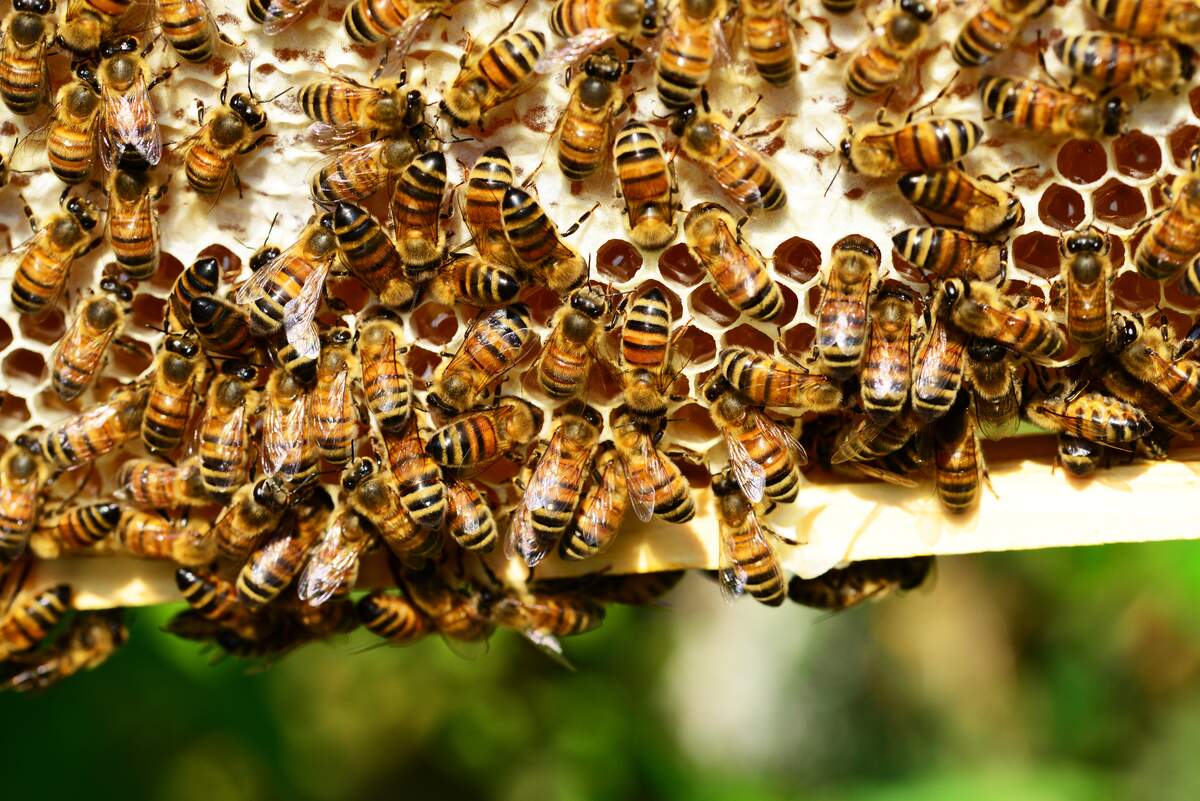
World Honey Bee Day
Also known as
National Honey Bee Awareness Day
National Honey Bee Day
Observed
the fourth Saturday in August (2009)
the third Saturday in August (since 2010)
Dates
Founded by
Thomas James Vilsack on August 11th, 2009
Tags
Food & Drink
Pets & Animals
Hashtags
Sources
World Honey Bee Day celebrates honey bees and the beekeepers who care for them. Also known as National Honey Bee Awareness Day and National Honey Bee Day, it highlights honey bees’ role in pollinating food-producing plants and recognizes the work of beekeepers. Honey bees transfer pollen as they move from flower to flower, helping many fruits, vegetables, and nuts grow. The western honey bee, Apis mellifera, is a managed species whose care and reproduction are overseen by humans, a practice known as apiculture, or beekeeping, according to Penn State’s Center for Pollinator Research.
The observance began in the United States in 2009, when a group of beekeepers petitioned the U.S. Department of Agriculture for a day honoring honey bees and beekeeping. Agriculture Secretary Thomas J. Vilsack proclaimed August 22, 2009—the fourth Saturday of August—as the first National Honey Bee Awareness Day, as reported in the contemporary announcement. From 2010 onward, the observance moved to the third Saturday in August. Pennsylvania Apiculture Inc. was formed in 2010 to help facilitate and promote it, according to the National Honey Board.
World Honey Bee Day offers an opportunity to learn about honey bees, appreciate beekeeping, enjoy locally produced honey, and consider ways to provide bees with a supportive environment. It is distinct from the United Nations’ World Bee Day, which is observed on May 20.
How to Observe World Honey Bee Day
Celebrate by learning more about honey bees and beekeeping, then support a local beekeeper by buying locally produced honey. Plant flowering plants or wildflowers that provide nectar for pollinators, and share what you learn about the importance of bees. You can also enjoy a honey-based treat while appreciating the small pollinators behind it all.
Exclusive Content
Enjoying Checkiday? It takes a lot of support from fans like you to run a free website. For exclusive content and other perks, please consider supporting us on Patreon. Thank you!Sponsor
This event does not currently have a sponsor. If you'd like to increase visibility for this event while gaining exposure for yourself or your brand, you can learn more here.Something Wrong or Missing?
We would love to hear from you! Please contact us using this form.Observation Notifications
Would you like to be notified before the next observation? Add this event directly to your calendar with this link. You may also sign up here to be told when other notifications are available!Also on this date…

Don't miss a beat! Subscribe to any of the following feeds for daily updates.
turned_in












 notifications