


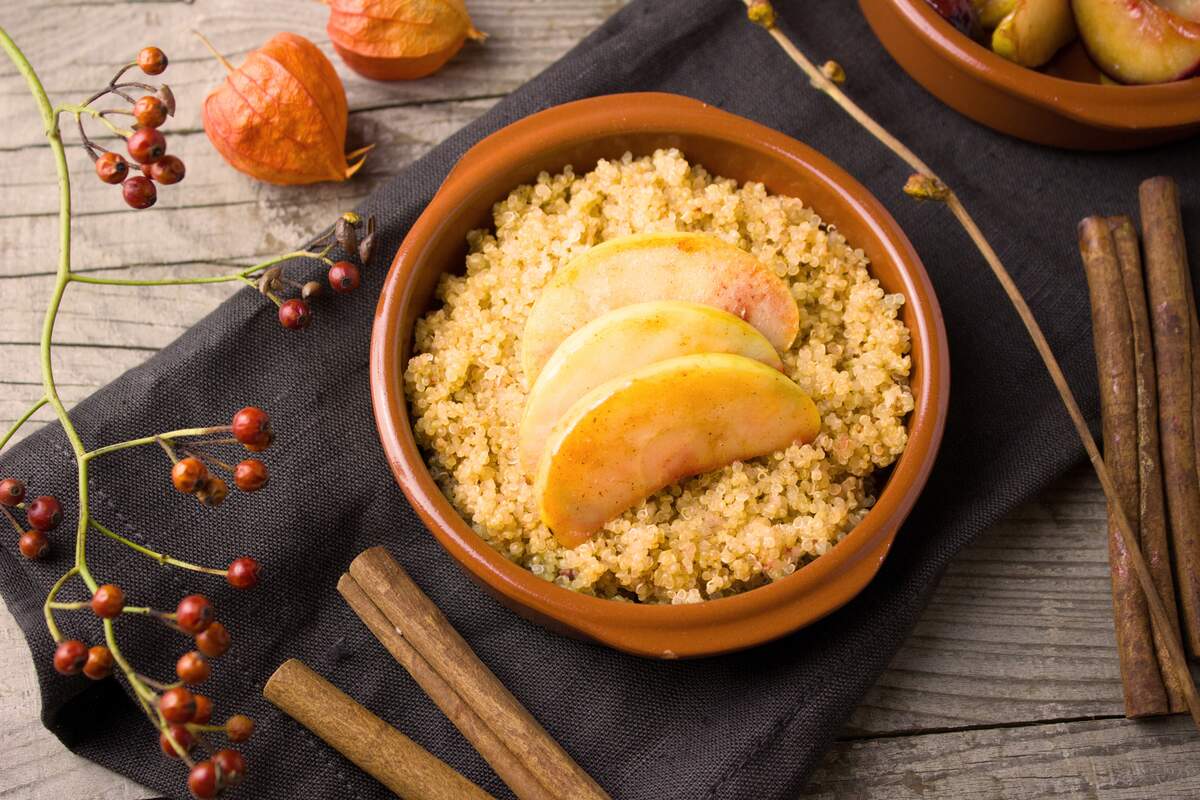
International Year of Quinoa
Also known as
IYQ
Observed
the year 2013
Founded by
United Nations General Assembly (UNGA) on December 22nd, 2011
Tags
Food & Drink
Hashtags
Sources
The International Year of Quinoa recognized the Andean peoples who preserved quinoa through traditional knowledge and practices in harmony with nature. The United Nations General Assembly approved the observance on December 22, 2011, and designated 2013 as the International Year of Quinoa (IYQ). Proposed by Bolivia with support from other countries and the Food and Agriculture Organization (FAO), the year sought to focus world attention on quinoa’s biodiversity and nutritional value, and on its potential contributions to food security, poverty eradication, and sustainable agriculture. Its theme was “A future sown thousands of years ago.”
Quinoa (Chenopodium quinoa) is a flowering plant related to spinach and amaranth. It is not a grass, but its edible seeds are prepared and eaten like a grain. Originating in the Andes, quinoa was domesticated thousands of years ago around the Lake Titicaca basin in what is now Bolivia and Peru. It has long been an important food for Aymara and Quechua communities, and its cultivation has since expanded to more than 70 countries.
The FAO coordinated activities during the year, including a global launch at United Nations Headquarters, a symbolic harvest, a conference on quinoa’s potential, and projects promoting sustainable production. An FAO cookbook published as part of the International Year collected quinoa recipes from around the world. The observance also drew attention to the challenges created by rising demand, including concerns about market prices, access for Andean consumers, land degradation, and the sustainability of production.
How to Observe International Year of Quinoa
Celebrate by cooking and enjoying quinoa in a soup, salad, cereal, pasta, bread, or another dish. Explore the FAO’s international quinoa cookbook for recipes contributed from several countries. You can also learn about the Aymara and Quechua communities who preserved quinoa, and reflect on the importance of traditional knowledge, crop diversity, food security, and sustainable farming.
Exclusive Content
Enjoying Checkiday? It takes a lot of support from fans like you to run a free website. For exclusive content and other perks, please consider supporting us on Patreon. Thank you!Sponsor
This event does not currently have a sponsor. If you'd like to increase visibility for this event while gaining exposure for yourself or your brand, you can learn more here.Something Wrong or Missing?
We would love to hear from you! Please contact us using this form.Observation Notifications
Would you like to be notified before the next observation? Add this event directly to your calendar with this link. You may also sign up here to be told when other notifications are available!Don't miss a beat! Subscribe to any of the following feeds for daily updates.
turned_in














 notifications