


National Caviar Day
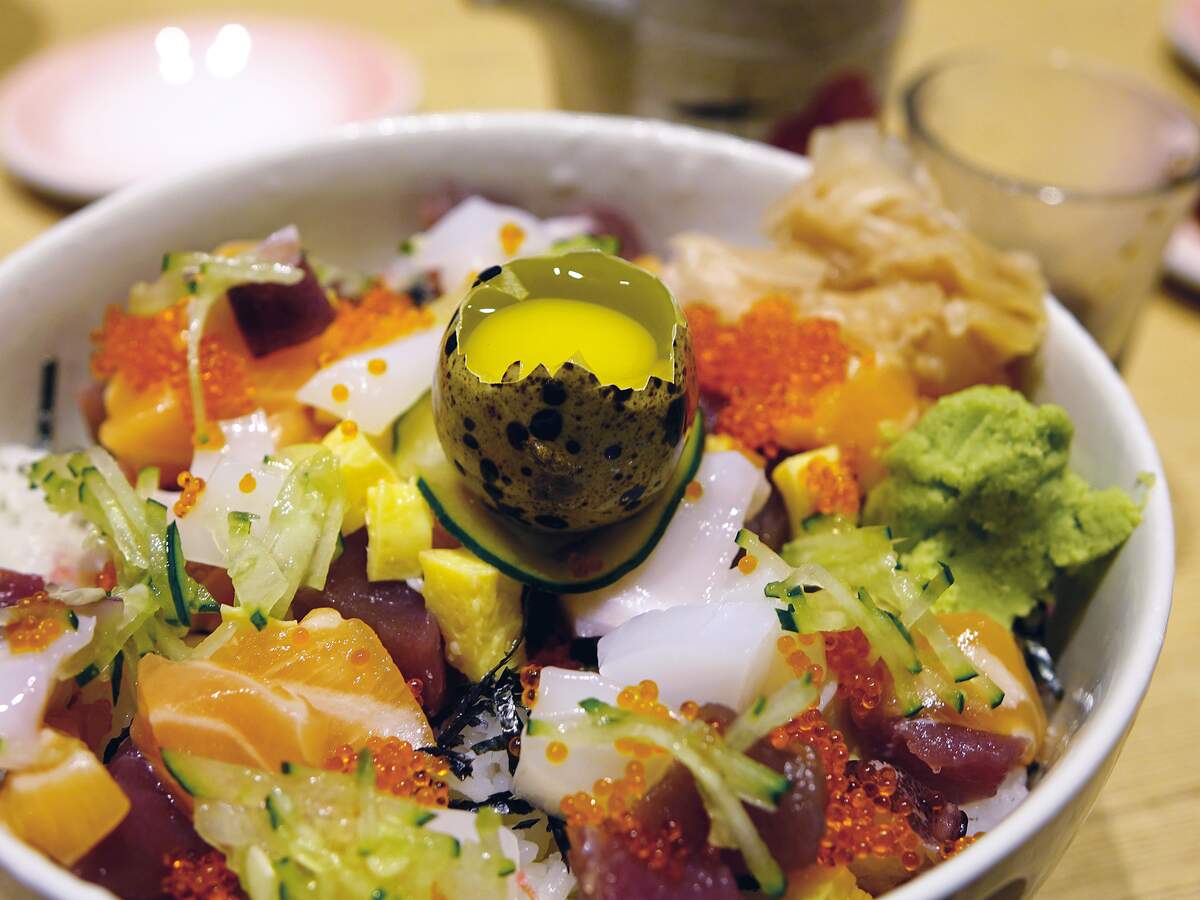
National Caviar Day, observed annually on July 18, celebrates caviar—the salt-cured roe of sturgeon, a delicacy known for its distinctive flavor, texture, and association with luxury dining. The day offers an opportunity to enjoy caviar, learn about its culinary history, and consider how responsible production can help protect sturgeon populations.
Caviar has a long history as a food. Ancient Persians prepared sturgeon roe, and in 19th-century America, sturgeon was abundant enough that saloons sometimes served caviar free of charge, much like bar peanuts, to encourage customers to buy more drinks. Over time, heavy harvesting contributed to declining sturgeon populations and helped turn caviar into the costly luxury it is today. A history of caviar from The Caviar Co. describes this shift from humble snack to prized delicacy.
The origins of National Caviar Day itself are uncertain. No official source identifies its creator, and there is no known royal decree or official holiday record establishing July 18. The date appears to have been adopted by food lovers and businesses as an occasion to appreciate caviar and its heritage. An account of the holiday’s obscure beginnings likewise notes that no one knows who selected the date.
How to Observe National Caviar Day
Celebrate by enjoying a small serving of caviar on its own or with accompaniments such as blinis, crème fraîche, or crackers. Visit a restaurant that serves caviar, or host a tasting so friends can compare different varieties. When shopping, look for responsibly farmed or sustainably sourced caviar, and serve it chilled with non-metallic utensils to help preserve its flavor. You can also spend the day learning about caviar’s history and the importance of protecting sturgeon.
Exclusive Content
Enjoying Checkiday? It takes a lot of support from fans like you to run a free website. For exclusive content and other perks, please consider supporting us on Patreon. Thank you!Sponsor
This event does not currently have a sponsor. If you'd like to increase visibility for this event while gaining exposure for yourself or your brand, you can learn more here.Something Wrong or Missing?
We would love to hear from you! Please contact us using this form.Observation Notifications
Would you like to be notified before the next observation? Add this event directly to your calendar with this link. You may also sign up here to be told when other notifications are available!Also on this date…



Don't miss a beat! Subscribe to any of the following feeds for daily updates.
turned_in












 notifications