


National Cherry Month
Observed
the month of February
Dates
February 1st, 2024 to February 29th, 2024
February 1st, 2025 to February 28th, 2025
February 1st, 2026 to February 28th, 2026
February 1st, 2027 to February 28th, 2027
February 1st, 2028 to February 29th, 2028
Tags
Food & Drink
Fruits & Vegetables
Hashtags
Sources
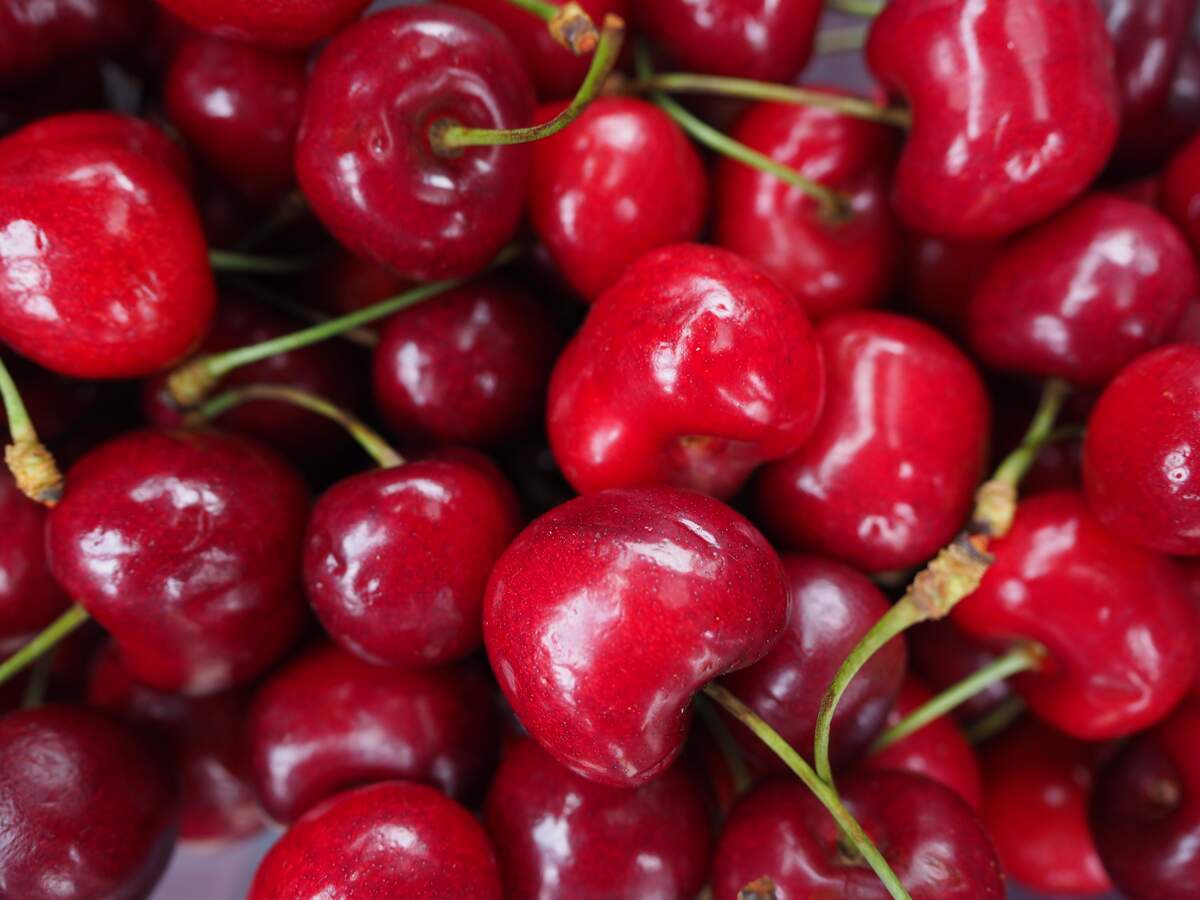
National Cherry Month is observed throughout February as a time to appreciate cherries and their place in American history, agriculture, and culture. Cherries come in sweet and tart varieties and can be enjoyed fresh, dried, juiced, or incorporated into sweet and savory dishes, as Traverse Bay Farms’ overview explains.
February’s association with cherries is often linked to George Washington’s birthday and the well-known cherry-tree story. Although the story is apocryphal, it helped connect cherries with Washington’s legacy and the idea of honesty. The month also recalls the 1912 gift of 3,000 cherry trees from Japan to the United States, which helped lay the foundation for Washington, D.C.’s National Cherry Blossom Festival, according to the Jamaica Plain Adult Education page.
The observance looks beyond blossoms and folklore to the fruit itself. The main U.S. cherry harvest takes place later in the year, while February offers an opportunity to enjoy preserved forms and learn about cherry-growing regions. Northern Michigan, for example, is known for tart cherries, while the Pacific Northwest is associated with sweet varieties such as Bing and Rainier, as Chukar Cherries’ account describes. Cherry-related celebrations continue into summer, including Traverse City’s National Cherry Festival, which began in 1925 as the Blessing of the Blossoms Festival and received its current name in 1931.
How to Observe National Cherry Month
Celebrate by enjoying cherries in whatever form is available, such as fresh, dried, or juiced. Bake a cherry pie, try cherries in a savory dish, or compare varieties such as Bing, Rainier, and Montmorency. You can also learn about cherry farming and the history behind the trees in Washington, D.C., using this overview of cherry history and growing seasons.
Exclusive Content
Enjoying Checkiday? It takes a lot of support from fans like you to run a free website. For exclusive content and other perks, please consider supporting us on Patreon. Thank you!Sponsor
This event does not currently have a sponsor. If you'd like to increase visibility for this event while gaining exposure for yourself or your brand, you can learn more here.Something Wrong or Missing?
We would love to hear from you! Please contact us using this form.Observation Notifications
Would you like to be notified before the next observation? Add this event directly to your calendar with this link. You may also sign up here to be told when other notifications are available!Also on this date…



Don't miss a beat! Subscribe to any of the following feeds for daily updates.
turned_in














 notifications