


National Wild Rice Week
Observed
the fourth full week of September
Dates
September 22nd, 2024 to September 28th, 2024
September 28th, 2025 to October 4th, 2025
September 27th, 2026 to October 3rd, 2026
September 26th, 2027 to October 2nd, 2027
September 24th, 2028 to September 30th, 2028
Tags
Food & Drink
Hashtags
Sources
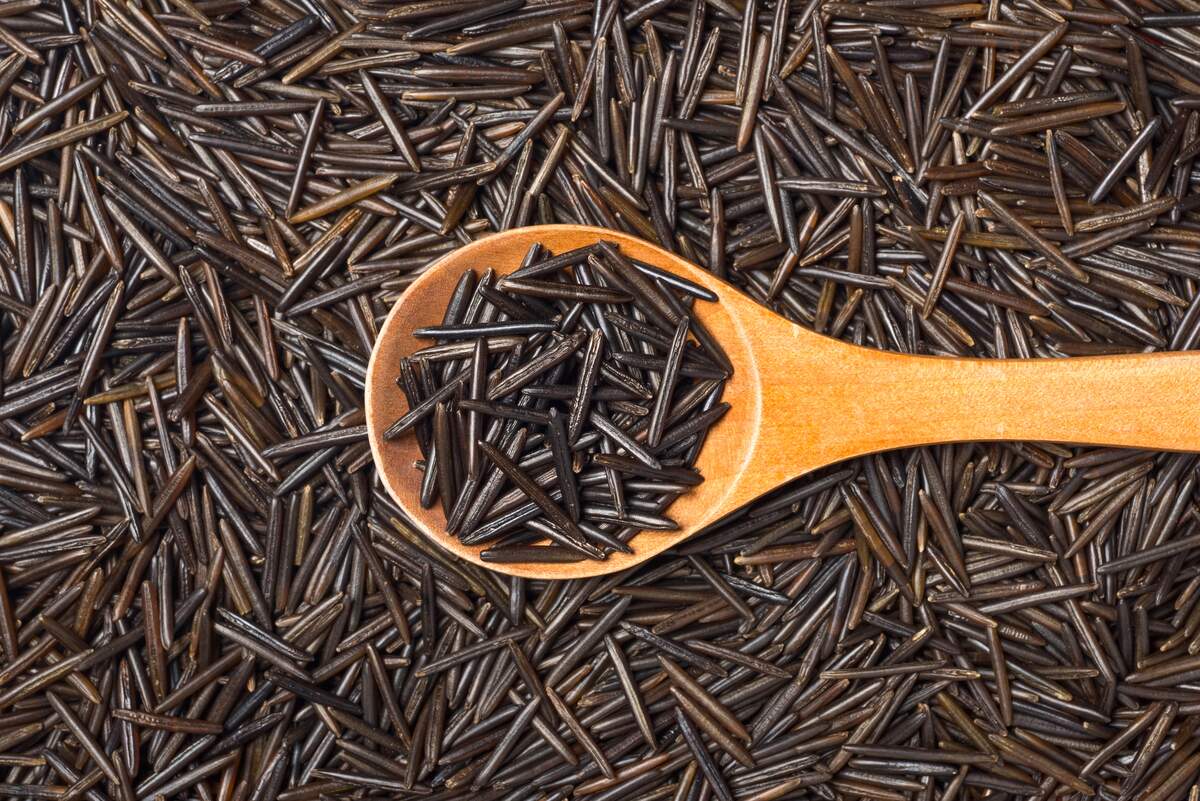
National Wild Rice Week is observed during the fourth full week of September and offers an opportunity to appreciate wild rice, a semi-aquatic grass native to the upper Great Lakes region of the United States and Canada. Although its name suggests otherwise, wild rice is not a type of Asian rice. It grows in lakes, rivers, and wetlands, where its ripe seeds have traditionally been gathered from canoes using long poles and beater sticks. The Whole Grains Council describes its growth, harvest, and processing.
Known as manoomin among the Ojibwe and as psíŋ among the Dakota, wild rice has deep historical, spiritual, cultural, and economic importance for Indigenous peoples. In the Western Great Lakes, harvesting is connected with community life, seasonal gatherings, and food traditions. Traditional processing includes drying, parching, removing the hull, and winnowing the grain. The Pluralism Project explains the cultural significance of manoomin and the harvest practices associated with it.
Wild rice is also harvested and cultivated commercially, but these practices differ from the hand-harvesting of uncultivated rice. Its September harvest season makes the month a fitting time to learn about the grain, its place in Indigenous foodways, and the wetlands where it grows. No founder or organizer for National Wild Rice Week is documented in the supplied evidence.
How to Observe National Wild Rice Week
Celebrate by cooking and enjoying a dish made with wild rice, then learn about its history and cultural importance. Read about manoomin and the traditional harvest, or attend an educational wild rice program if one is available in your area. If you are considering harvesting wild rice yourself, learn the local rules first: uncultivated wild rice may require licensing and must be gathered using permitted traditional methods. Share what you learn while treating Indigenous traditions with respect.
Exclusive Content
Enjoying Checkiday? It takes a lot of support from fans like you to run a free website. For exclusive content and other perks, please consider supporting us on Patreon. Thank you!Sponsor
This event does not currently have a sponsor. If you'd like to increase visibility for this event while gaining exposure for yourself or your brand, you can learn more here.Something Wrong or Missing?
We would love to hear from you! Please contact us using this form.Observation Notifications
Would you like to be notified before the next observation? Add this event directly to your calendar with this link. You may also sign up here to be told when other notifications are available!Also on this date…



Don't miss a beat! Subscribe to any of the following feeds for daily updates.
turned_in














 notifications