


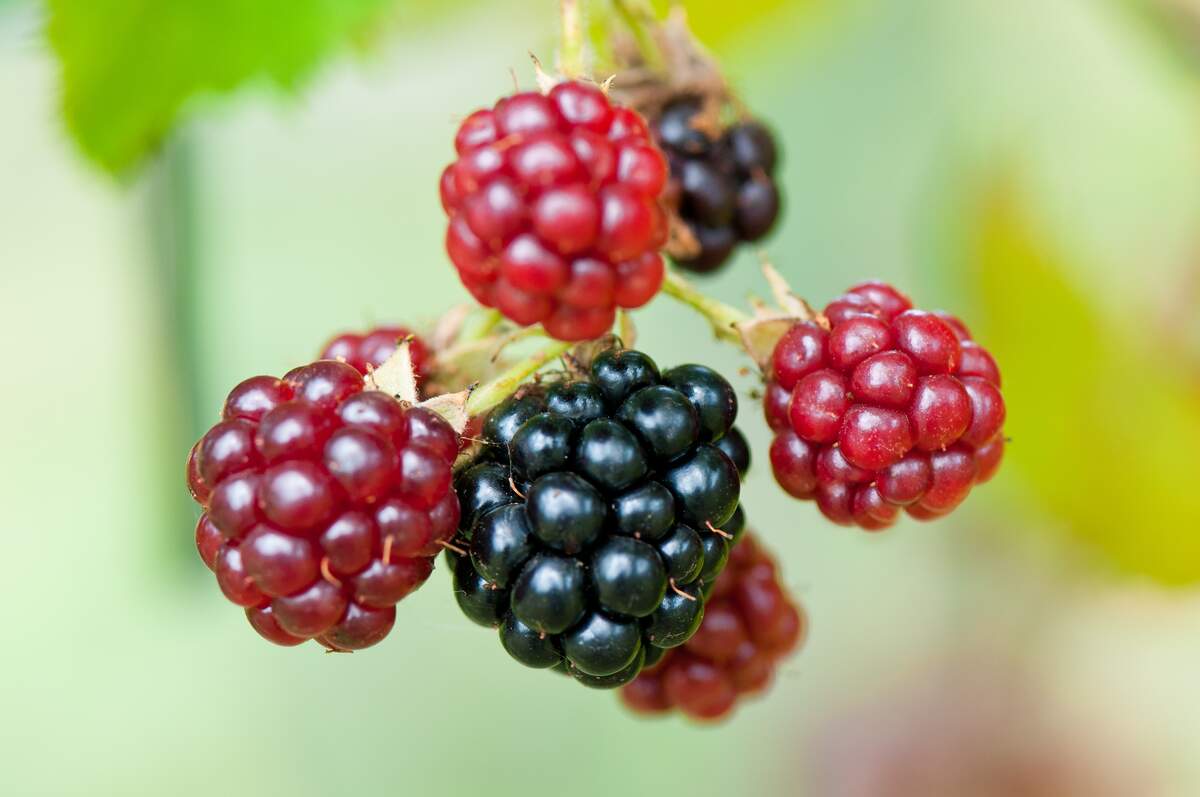
Wild Foods Day
Wild Foods Day, observed annually on October 28, encourages people to explore the edible plants, fruits, herbs, mushrooms, roots, and greens found in the natural environment. Foraging—gathering food directly from nature—offers a way to notice what grows nearby and think about the connection between food and the land. Humans have gathered wild foods for thousands of years, and interest in the practice has grown among people looking for sustainable ways to connect with nature.[CBS19 News]
The day’s history is not firmly established. References to Wild Foods Day began appearing regularly in print media around 1974, and accounts suggest that wild-food enthusiast Euell Gibbons may have inspired its popularity. Gibbons’s 1962 book, Stalking the Wild Asparagus, described how to identify, gather, and prepare edible wild plants.[CooksInfo] Responsible foraging is an important part of the observance: some lands prohibit gathering, while others impose limits, and edible plants may have toxic look-alikes. Never eat anything unless you are completely certain of its identity and safety.
How to Observe Wild Foods Day
Celebrate by learning about local wild foods through a reliable field guide, library resource, or experienced forager. A guided walk or foraging class can help beginners practice identification safely. You can also visit a market that sells responsibly harvested wild ingredients or prepare a dish using wild foods that have been correctly identified and legally obtained. Before gathering, check local rules, avoid polluted areas, harvest sparingly, and leave enough for plants to survive and for wildlife to share.[Curious by Nature]
Exclusive Content
Enjoying Checkiday? It takes a lot of support from fans like you to run a free website. For exclusive content and other perks, please consider supporting us on Patreon. Thank you!Sponsor
This event does not currently have a sponsor. If you'd like to increase visibility for this event while gaining exposure for yourself or your brand, you can learn more here.Something Wrong or Missing?
We would love to hear from you! Please contact us using this form.Observation Notifications
Would you like to be notified before the next observation? Add this event directly to your calendar with this link. You may also sign up here to be told when other notifications are available!Also on this date…



Don't miss a beat! Subscribe to any of the following feeds for daily updates.
turned_in












 notifications