


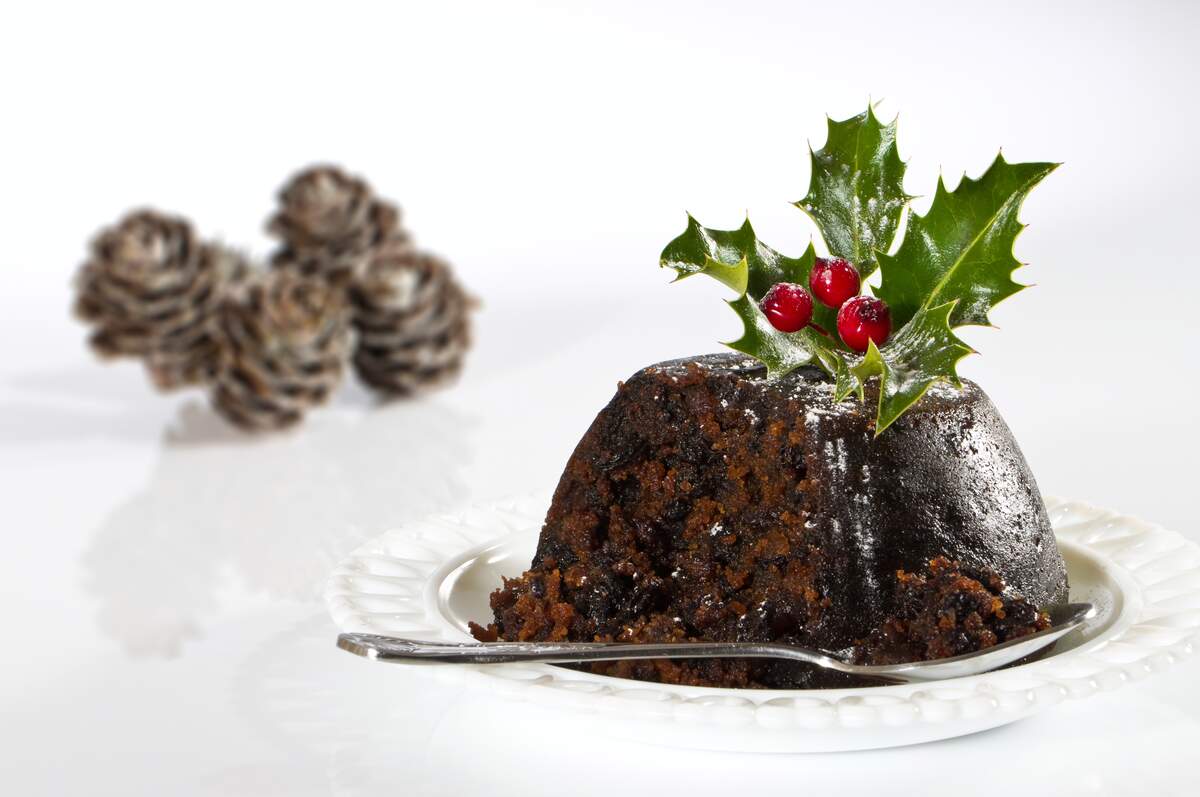
British Pudding Day
British Pudding Day celebrates the rich variety of puddings associated with British cuisine. Observed annually on November 9, it’s an invitation to enjoy both sweet and savory dishes, from sticky toffee pudding and bread and butter pudding to Yorkshire pudding and steak and kidney pudding. Unlike the creamy dessert commonly called pudding in the United States, British puddings may be steamed, boiled, or baked and can be either sweet or savory. The Wholesale Group’s food calendar highlights this distinction and the enduring culinary tradition behind the day.
The story of British pudding stretches back centuries. Early puddings were savory preparations, sometimes made with meat and cooked in an animal stomach. During the 17th century, sweet puddings made with ingredients such as flour, nuts, and sugar became increasingly popular, while many traditional puddings no longer contained meat by the end of the 18th century. Small household ovens also helped encourage the development of baked puddings during the 16th century. A history from Chelmsford Star Cooperative Society describes this evolution.
There are plenty of regional and recognizable varieties to explore. Bakewell pudding, named for the Derbyshire town of Bakewell, is known for its almond topping, while spotted dick, treacle sponge, trifle, rice pudding, and Christmas pudding demonstrate the range of British pudding traditions. Whether served warm with custard, cream, or another accompaniment, these comforting dishes make November 9 a fine occasion for a little culinary exploration.
How to Observe British Pudding Day
Celebrate by baking or buying a British pudding to enjoy. Try a sweet favorite such as sticky toffee pudding, bread and butter pudding, rice pudding, or Bakewell pudding, or explore a savory variety such as Yorkshire pudding. Share a selection with friends or family, compare different styles, and learn a little about how British puddings developed from savory boiled dishes into the many sweet and savory forms enjoyed today.
Exclusive Content
Enjoying Checkiday? It takes a lot of support from fans like you to run a free website. For exclusive content and other perks, please consider supporting us on Patreon. Thank you!Sponsor
This event does not currently have a sponsor. If you'd like to increase visibility for this event while gaining exposure for yourself or your brand, you can learn more here.Something Wrong or Missing?
We would love to hear from you! Please contact us using this form.Observation Notifications
Would you like to be notified before the next observation? Add this event directly to your calendar with this link. You may also sign up here to be told when other notifications are available!Also on this date…



Don't miss a beat! Subscribe to any of the following feeds for daily updates.
turned_in














 notifications