


National Canning Month
Observed
the month of August
Dates
August 1st, 2024 to August 31st, 2024
August 1st, 2025 to August 31st, 2025
August 1st, 2026 to August 31st, 2026
August 1st, 2027 to August 31st, 2027
August 1st, 2028 to August 31st, 2028
Tags
Environment & Conservation
Food & Drink
Hobbies & Activities
Hashtags
Sources
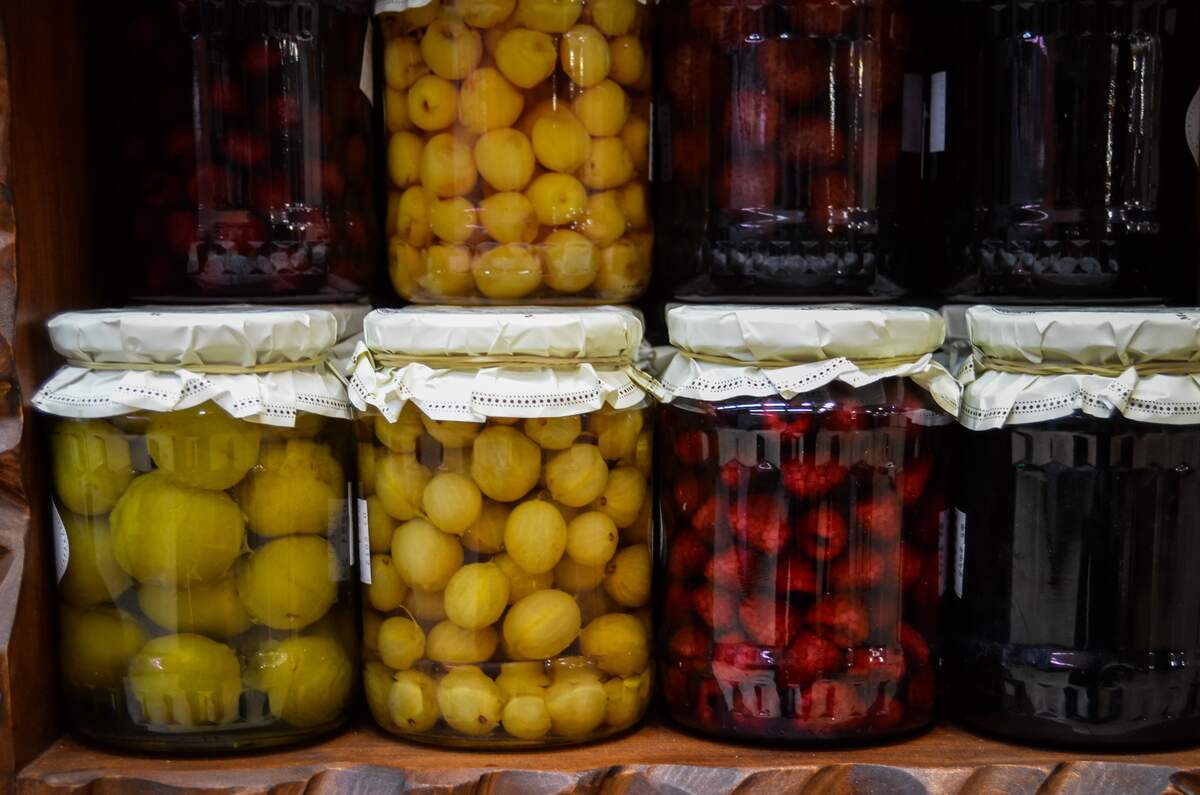
National Canning Month, observed throughout August, celebrates the practice of preserving food in sealed containers. Home canning allows fruits, vegetables, sauces, and other foods to be stored for later, making the most of seasonal produce and helping reduce waste. Canning may be done in glass jars as well as commercial cans; in the United Kingdom, Australia, and New Zealand, home canning is often called “bottling.”
Modern canning began in France after a 1795 challenge from Napoleon Bonaparte to find a way to preserve food for the military. Nicolas Appert developed a method of sealing food in glass jars and heating them, and he received a 12,000-franc award in 1810. That same year, Peter Durand patented the use of tin cans, which were sturdier and easier to transport. Later innovations, including John L. Mason’s threaded glass jar in 1858, helped make home canning more accessible. The UC Master Food Preserver program describes this evolution.
August is a fitting time to think about canning because it falls in the height of produce season in the United States and Canada, when people may preserve fruit, tomatoes, sauces, and other harvests. Accounts differ on whether a separate “Canning Day” has a fixed date, but August has been identified as the traditional season for this work. CooksInfo discusses the seasonal timing and changing meaning of Canning Day.
How to Observe National Canning Month
Celebrate by trying a canning project with seasonal fruit or vegetables, or by cooking a meal with canned ingredients. Learn how canning developed from Nicolas Appert’s glass-jar method to modern jars and cans, and share what you learn with others.
If you try home canning, use clean equipment and tested instructions. High-acid foods can be processed in a boiling-water bath, while low-acid foods such as meats and vegetables require pressure canning; a guide to National Canning Day outlines these basic safety distinctions.
Exclusive Content
Enjoying Checkiday? It takes a lot of support from fans like you to run a free website. For exclusive content and other perks, please consider supporting us on Patreon. Thank you!Sponsor
This event does not currently have a sponsor. If you'd like to increase visibility for this event while gaining exposure for yourself or your brand, you can learn more here.Something Wrong or Missing?
We would love to hear from you! Please contact us using this form.Observation Notifications
Would you like to be notified before the next observation? Add this event directly to your calendar with this link. You may also sign up here to be told when other notifications are available!Also on this date…


Don't miss a beat! Subscribe to any of the following feeds for daily updates.
turned_in














 notifications