


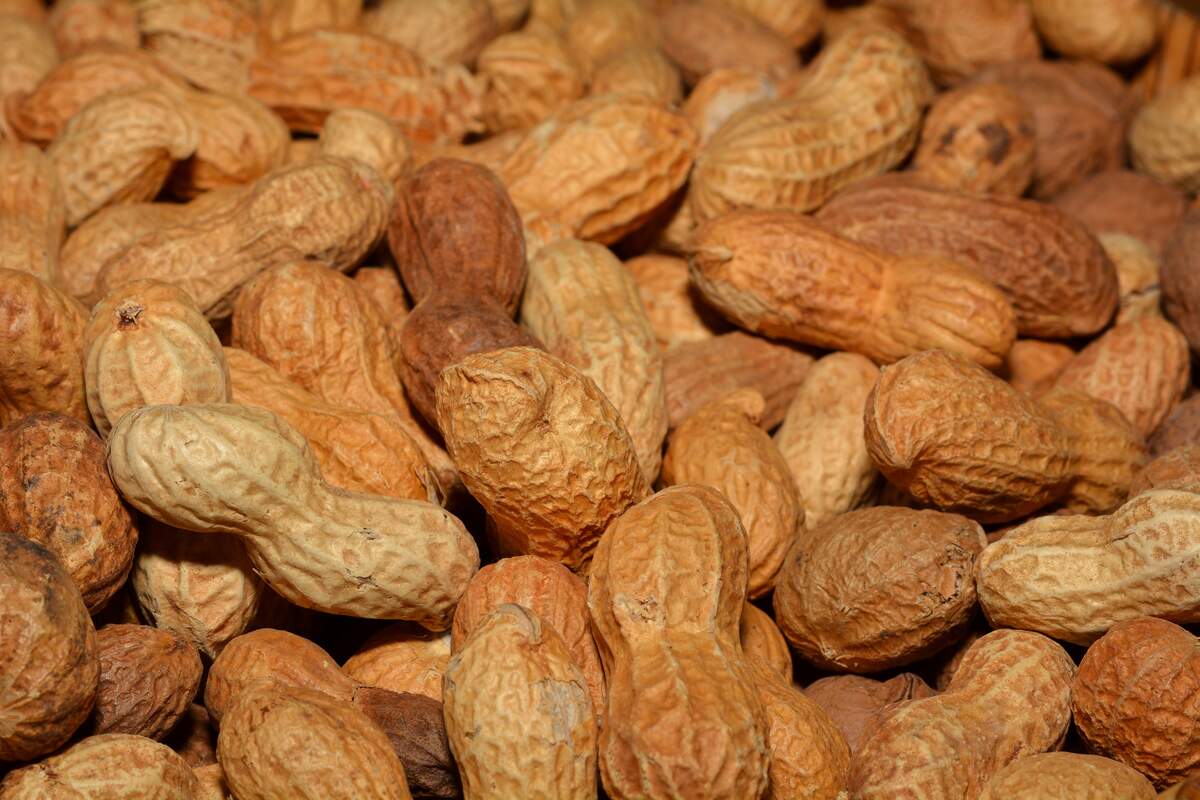
Food Allergy Awareness Week
Observed
for 5 days starting the second Monday in May (1998 to 2000)
for 5 days starting on May 7th (2001)
for 7 days starting on May 5th (2002)
the second full week of May (since 2003)
Dates
May 12th, 2024 to May 18th, 2024
May 11th, 2025 to May 17th, 2025
May 10th, 2026 to May 16th, 2026
May 9th, 2027 to May 15th, 2027
May 14th, 2028 to May 20th, 2028
Founded by
Member of
Tags
Awareness & Advocacy
Food & Drink
Health & Wellness
Hashtags
Sources
Food Allergy Awareness Week raises public understanding of food allergies and anaphylaxis, a potentially life-threatening allergic reaction. A food allergy occurs when exposure to a food triggers a harmful immune response; reactions can range from mild to severe, and any food may be an allergen. The observance highlights the importance of learning about food allergies and creating safer, more inclusive environments for people who live with them.
The week takes place during the second full week of May. Food Allergy & Anaphylaxis Network (FAAN), now part of Food Allergy Research & Education (FARE), created the awareness initiative in 1998. FARE formed in 2012 when FAAN merged with the Food Allergy Initiative, combining education, advocacy, and research efforts.
Food Allergy Awareness Week can be a time to learn how to recognize allergic reactions, understand food-label information, and support safer practices at home, school, work, and in food-service settings. FARE has also used the week for educational campaigns, fundraising, advocacy, and community activities. Teal represents food allergy awareness and action, and some campaigns encourage people to wear teal or share educational materials.
How to Observe Food Allergy Awareness Week
Celebrate by learning more about food allergies and anaphylaxis through FARE’s food allergy basics webinar or other reliable educational resources. Review food labels carefully, avoid sharing food when an allergy may be involved, and keep food-preparation and eating surfaces clean. You can also wear teal, display an awareness poster, share food allergy information with your community, or support food allergy research and education through FARE’s awareness campaign.
Exclusive Content
Enjoying Checkiday? It takes a lot of support from fans like you to run a free website. For exclusive content and other perks, please consider supporting us on Patreon. Thank you!Sponsor
This event does not currently have a sponsor. If you'd like to increase visibility for this event while gaining exposure for yourself or your brand, you can learn more here.Something Wrong or Missing?
We would love to hear from you! Please contact us using this form.Observation Notifications
Would you like to be notified before the next observation? Add this event directly to your calendar with this link. You may also sign up here to be told when other notifications are available!Also on this date…

Don't miss a beat! Subscribe to any of the following feeds for daily updates.
turned_in














 notifications