


Food Allergy Awareness Month
Also known as
Food Allergy Action Month
Observed
the month of May (since 1998)
Dates
May 1st, 2024 to May 31st, 2024
May 1st, 2025 to May 31st, 2025
May 1st, 2026 to May 31st, 2026
May 1st, 2027 to May 31st, 2027
May 1st, 2028 to May 31st, 2028
Founded by
Child Events
Tags
Awareness & Advocacy
Food & Drink
Health & Wellness
Hashtags
Sources
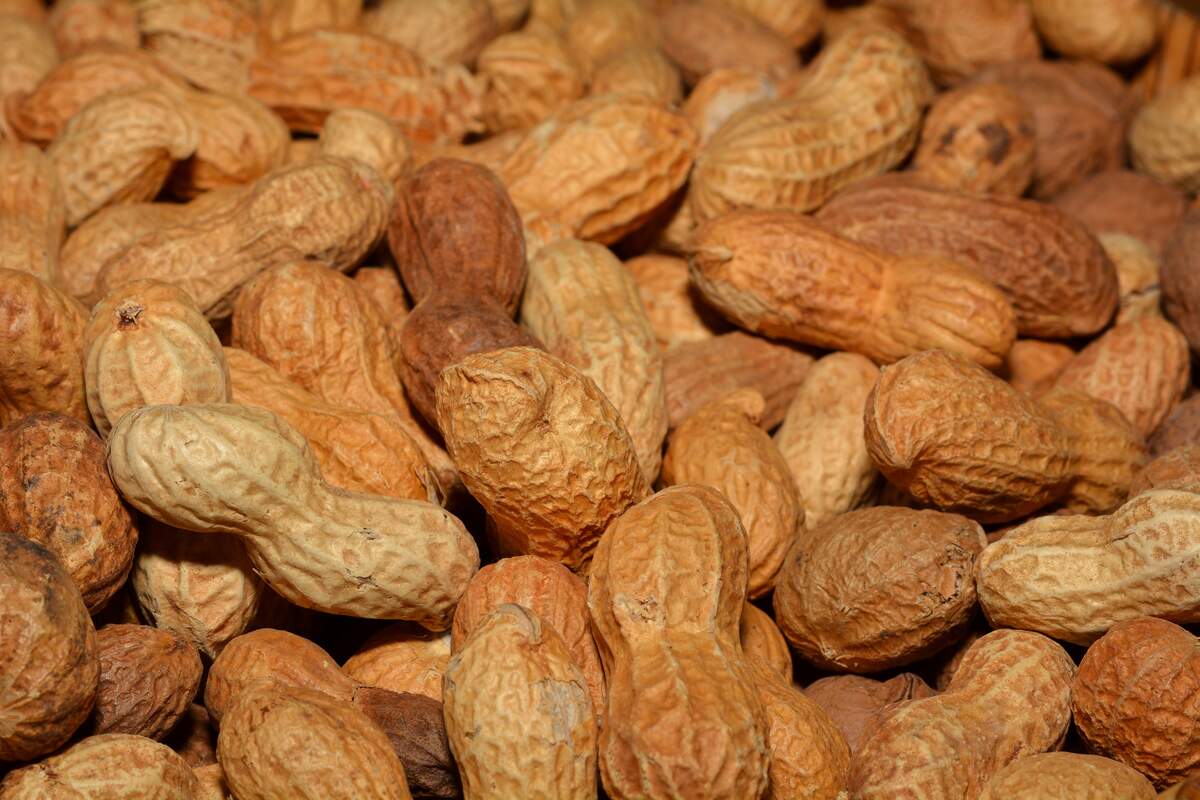
Food Allergy Awareness Month, also known as Food Allergy Action Month, is observed throughout May to educate the public about food allergies, encourage safer food practices, and support people managing potentially life-threatening reactions. A food allergy occurs when the immune system reacts abnormally to a component of food, sometimes causing a severe response, according to the National Institute of Allergy and Infectious Diseases.
The campaign’s documented roots go back to 1998, when the Food Allergy & Anaphylaxis Network launched Food Allergy Awareness Week. That organization later became part of Food Allergy Research & Education (FARE), which was formed in 2012 through a merger with the Food Allergy Initiative, as described in FARE’s history. In 2024, FARE announced that it was extending Food Allergy Awareness Week into Food Allergy Awareness Month, bringing awareness activities to the entire month of May through education, advocacy, and community support (FARE’s announcement).
During the month, people can learn about allergen exposure, labeling, and emergency preparedness; help schools, workplaces, restaurants, and homes become safer and more inclusive; and show support for individuals and families affected by food allergies. Teal is associated with food allergy awareness, and some awareness campaigns encourage wearing teal or sharing educational materials.
How to Observe Food Allergy Awareness Month
Celebrate by learning more about food allergies and sharing reliable information with family, friends, coworkers, or classmates. Read food labels carefully, ask about ingredients when preparing or serving food, and take steps to prevent allergen cross-contact.
You can also wear teal, provide educational materials to a school or sports team, thank a teacher or caregiver who helps keep someone safe, or support food allergy research and education through FARE’s awareness resources. If you are organizing a meal or gathering, discuss food allergy needs in advance and work with those affected so everyone can participate safely and comfortably.
Exclusive Content
Enjoying Checkiday? It takes a lot of support from fans like you to run a free website. For exclusive content and other perks, please consider supporting us on Patreon. Thank you!Sponsor
This event does not currently have a sponsor. If you'd like to increase visibility for this event while gaining exposure for yourself or your brand, you can learn more here.Something Wrong or Missing?
We would love to hear from you! Please contact us using this form.Observation Notifications
Would you like to be notified before the next observation? Add this event directly to your calendar with this link. You may also sign up here to be told when other notifications are available!Also on this date…


Don't miss a beat! Subscribe to any of the following feeds for daily updates.
turned_in














 notifications